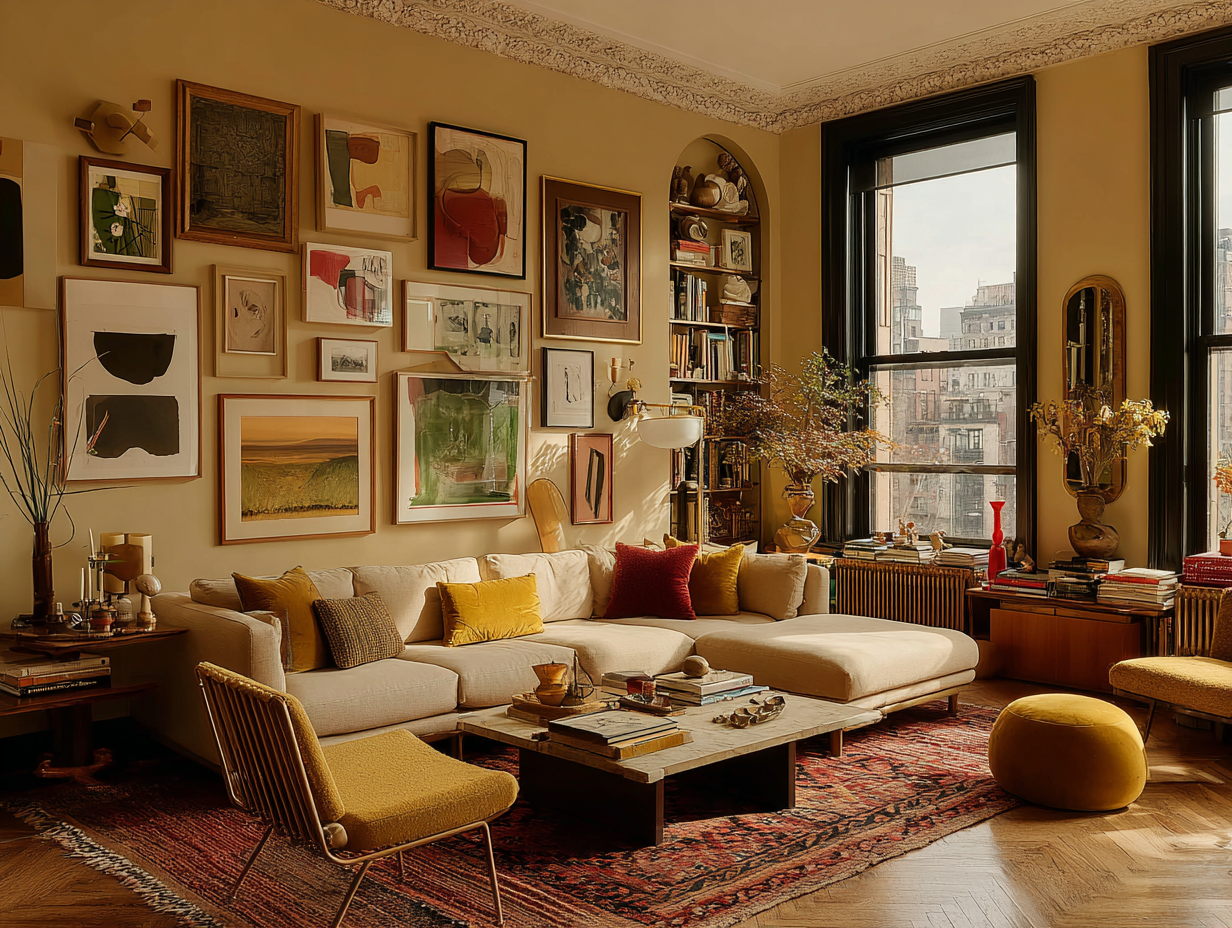
The Beginner's Guide to Choosing a Color Palette for Your Home
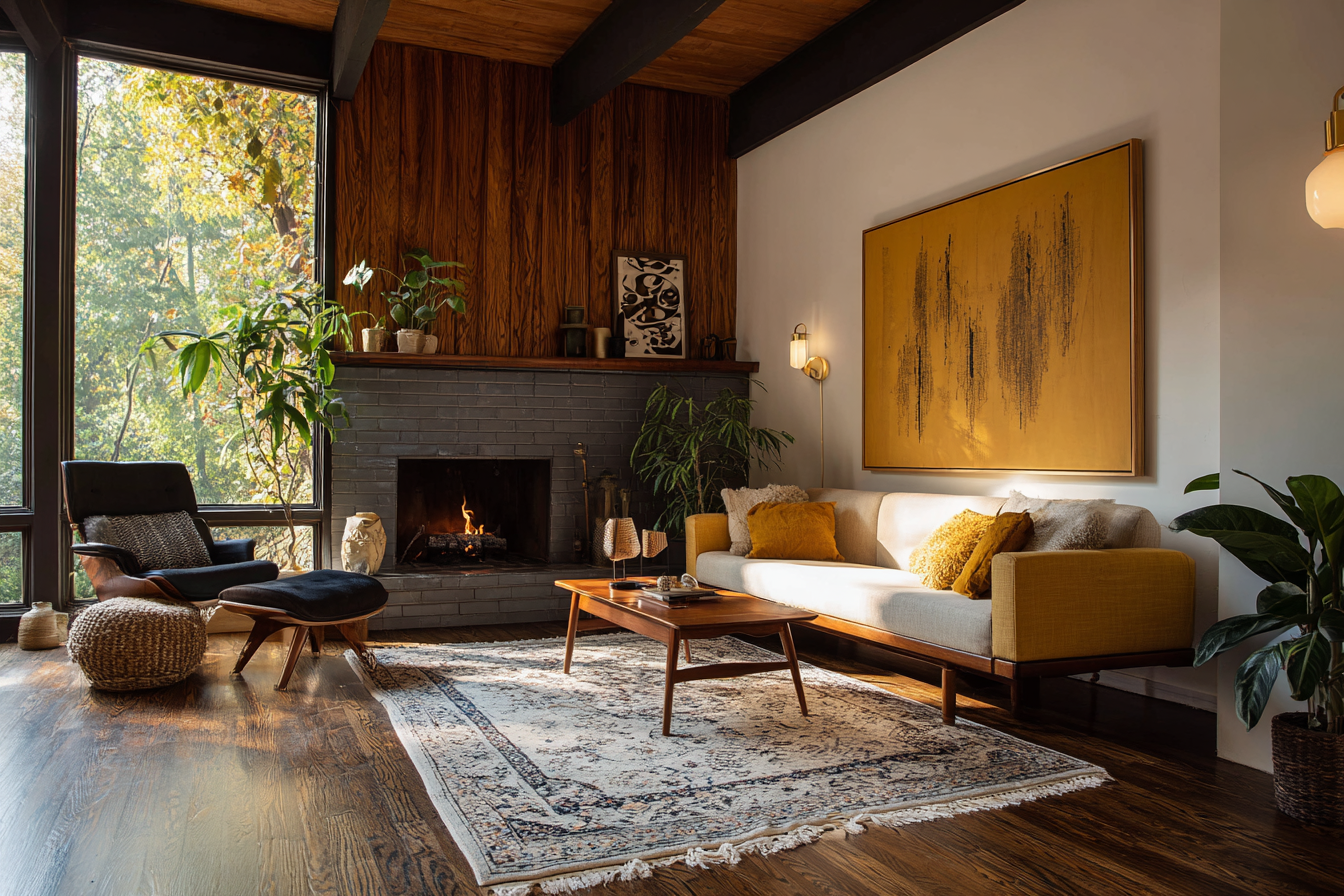
Color is one of the most powerful tools in decorating — and one of the most intimidating. The good news is that choosing a palette for your home doesn't require design school. It just requires a framework and a little patience.
Start With One Piece You Love
The easiest way to build a palette is to start with something you already have — a rug, a piece of art, a throw pillow. Pull the colors from that piece and build outward. If your favorite rug has terracotta, cream, and olive green in it, you already have a palette.
The 60-30-10 Rule
This is a classic interior design guideline that works for beginners. Use one dominant color for 60% of the room (typically walls and large furniture), a secondary color for 30% (accent furniture, rugs, curtains), and an accent color for the remaining 10% (pillows, art, small decor). It creates balance without being boring.
Understand Undertones
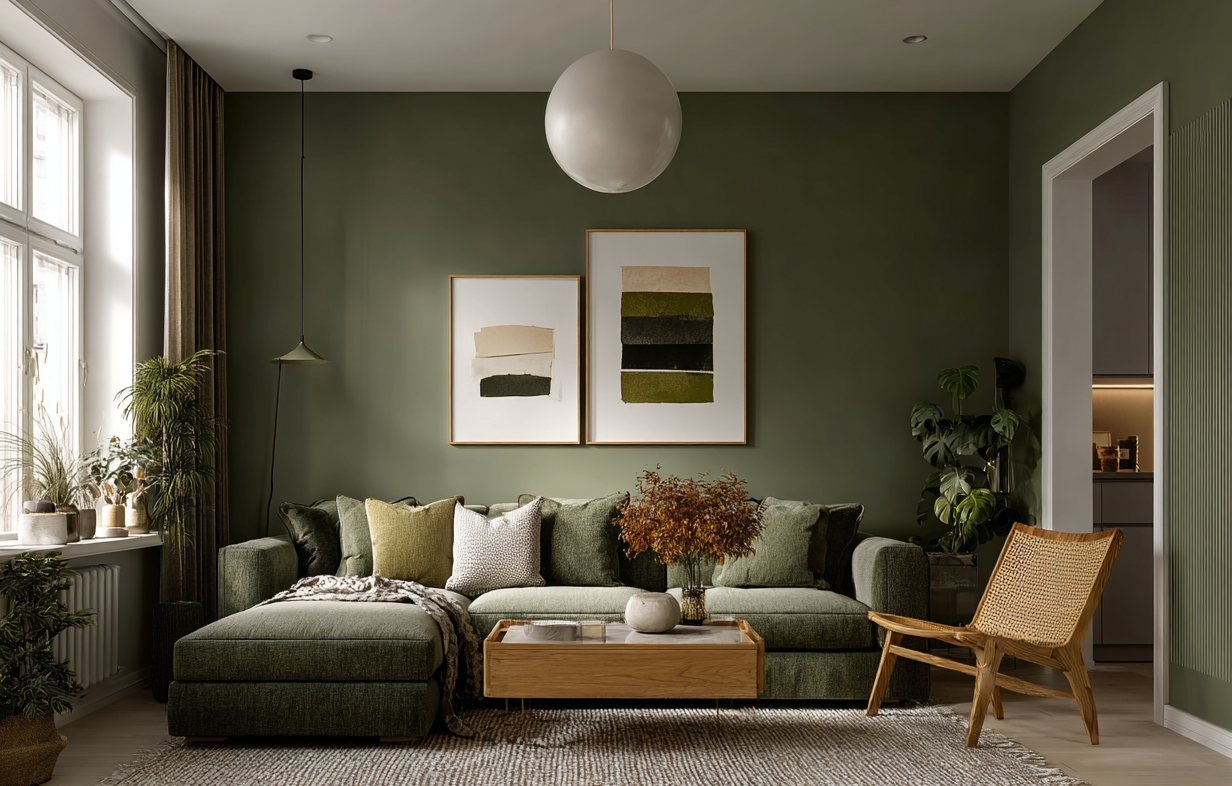
Paint colors have undertones — subtle hints of another color beneath the main color. A white can be warm (yellow or pink undertone) or cool (blue or green undertone). When mixing paint colors with furniture and textiles, clashing undertones are usually what makes a room feel "off" even when you can't pinpoint why. Always test paint samples on your actual wall in natural and artificial light before committing.
Cohesion Across Rooms
You don't need every room to match, but your home should feel like it belongs together. One way to achieve this is to carry one or two colors throughout the whole house — even in small doses. A shade of wood, a repeated accent color, or consistent white trim can tie different rooms together.
Don't Forget Neutrals
• White: Crisp and versatile, but watch the undertones — a cool white in a warm-toned room will look off.
• Cream/Off-White: Warmer and softer than pure white. Works beautifully in traditional, farmhouse, and Mediterranean styles.
• Greige (gray-beige): One of the most popular neutral choices because it works with both warm and cool accents.
• Black: Not just for accent walls — small doses of black (lamp bases, frames, hardware) ground a room and make other colors pop.